 Italiano


The origins of spiced tea in India
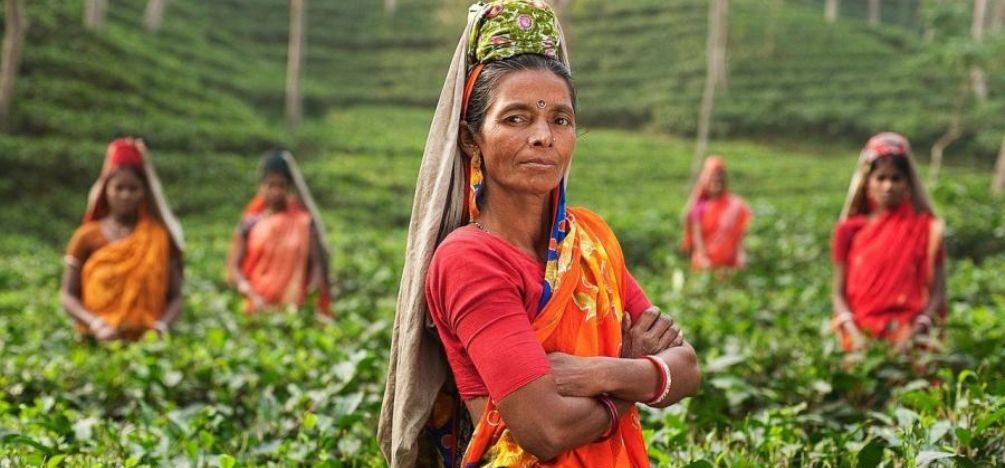
The Indian spiced tea is certainly one of the most iconic drinks of the Indian subcontinent and, probably, also one of the most imitated in the rest of the world. Whether you call it Indian masala chai or more simply Indian chai, or spiced Indian tea yogi or masala tea, one thing is certain: it is a drink widely consumed throughout India, and which can boast thousands of different nuances and variations , depending on the area of the country you are in.
Furthermore, spiced tea is not only produced in India, but is now widely consolidated throughout Central Asia, where it has found fertile ground and, moreover, a catalog of variations that allow enthusiasts to discover new aromas day after day. and new sensations.
But what are the origins of Indian spiced tea?
The history of spiced tea
The origin of Indian spiced tea is so remote in time that, to be able to reconstruct its history, we need to go back thousands of years. Evidently, considering that the birth of this drink dates back to such remote times, it follows that the origin of chai tea ended up merging (and confusing!) reality and legend.
According to popular tradition, for example, the origins of spicy tea can be traced back to the ancient Indian royal families, thanks to a sovereign who wanted to create a purifying and tasty Ayurvedic infusion for his court.
What is certain is that the first experiments with Indian spiced tea must have been very different from the current ones. In fact, it seems that at the time chai tea was nothing more than an infusion made with a mixture of spices and preparations, to be served hot or cold, and that its purpose was more that of an Ayurvedic treatment for mild ailments and discomforts, rather than tasting. It also seems that, in its primordial version, spiced tea did not contain even a single tea leaf.
The arrival of the English
Things changed around the first half of the 19th century, when the English began to intensively plant tea in the Assam region. The resulting significant availability of black tea allowed its leaves to be introduced into local recipes of Masala Chai, creating a recipe much more similar to the current one, based on spices, milk, tea and sweeteners.
However, for half a century this drink remained very exclusive, considering that the cost of black tea was particularly high. Only at the beginning of the 20th century did the Indian Tea Association decide to promote the consumption of Indian tea, preferring to modify its composition: the quantity of black tea (the most expensive ingredient) was lowered to prefer the use of spices, milk and sugar, thus maintaining a flavor close to the original one, but with lower costs.
Indian spiced tea today
From that moment on, the Indian spiced tea experienced a particularly important diffusion throughout the country, then leaving the national borders to invade, good-naturedly, the rest of the world.
What constituted a decisive push for the use of this drink was above all the decline in the costs of production and distribution of black tea, which allowed the price of Indian spiced tea to undergo such a decrease that anyone ended up being able to afford its purchase and its widespread home consumption.
Today, masala chai tea is one of the most recognizable calling cards in Indian homes and, in some areas, is used as a kind of welcome for guests. Enjoyed at any time of the day, it can be accompanied with some typically savory snacks, in order to enhance its taste and flavour.
In short, many good reasons to try it now, taking advantage of the practical and convenient formulations available to you today!