 Italiano


Is ginseng coffee at the bar bad for you?
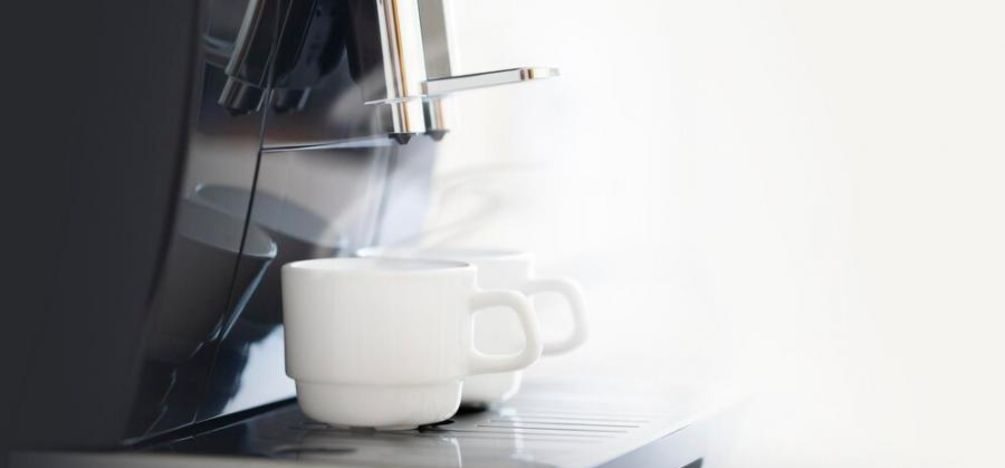
Drinking ginseng at the bar is a habit of many, especially those who cannot drink espresso and must opt for a drink with little or no caffeine.
Today, ginseng coffee is not missing from breakfasts at bars, produced using a preparation mixed with water in special machines.
Ginseng is served in small or large cups, there are also those who prefer it in the classic coffee cup.
But ginseng coffee can also be prepared at home using soluble sachets or capsules, for this reason, today, it is increasingly the protagonist of Italian breakfasts.
In fact, ginseng for breakfast is the primary choice as an alternative to coffee, but many people wonder whether the preparations on the market are healthy or harmful.
Let’s start by saying that it makes no difference whether ginseng is taken at a bar or at home, what is important is to pay attention to the quality of the ingredients present in the ginseng preparations.
How is ginseng coffee obtained?
The ginseng root has very ancient origins, the plant used is Panax ginseng present in Asian countries but also cultivated in North America.
The beneficial properties of ginseng, including its toning and stimulating function for the immune system, have led to the spread of this drink.
Ginseng contains a very low percentage of caffeine, which is why it is recommended for those who need to reduce their daily intake of this substance. There are also completely caffeine-free deca versions.
The preparations on the market are mostly made up of a mixture of instant coffee, sugar, milk cream or condensed milk, or cream, all flavored with ginseng.
There are many people who decide to consume ginseng coffee especially for the properties of the plant, however, food preparations, in most cases, contain a low percentage of ginseng and many additional and unhealthy ingredients.
Ginseng coffee: what to pay attention to?
Ginseng coffee is a drink that is most often already sweetened with sugar or glucose syrup. A cup of ginseng at the bar can provide from 30 to 80 calories, compared to 10 from an unsweetened espresso coffee.
Speaking of ginseng coffee with caffeine, we must refer to some studies conducted by American universities and research available online, which highlight how caffeine has positive effects on the body.
Taking it counteracts dementia, increases the flow of oxygen and nutrients to the brain, improves concentration. Moderate consumption also reduces the risk of type 2 diabetes and neurological diseases.
Ginseng coffee contains caffeine and taking a cup of it a day should potentially bring the aforementioned benefits.
Furthermore, drinking a cup of ginseng also brings the benefits of the plant’s root to the body.
When choosing a ginseng coffee preparation you need to be careful, it is the quality of the product that makes the difference.
Ginseng coffee at the bar is not bad, but it is necessary to use preparations that have only natural and well-selected ingredients.
Almar ginseng preparation
Almar is always attentive to the quality of the products and the ingredients used, if you want to offer your customers a 100% natural ginseng you can try the hot and cold Shakered Ginseng Coffee preparation.
Very easy to prepare, just add it to the water and use a special machine, a healthy and delicious product with an arabica coffee flavour.
What makes the difference is precisely the quality of the preparation, by using it you will obtain a GMO-free ginseng coffee, free of preservatives, colourants, hydrogenated fats and palm oil. Also ideal for gluten intolerants.
Furthermore, the sugar-free version is available, GinsengZeroPiù, 100% vegetable, lactose-free, vegan product, made with natural ingredients
Two preparations to try for a good and healthy ginseng coffee to offer to customers and differentiate yourself from the competition.